

 by Samantha Chan
New Prince George’s County Business Fees
Prince George’s County recently enacted CB-017-2026, a law establishing new use and occupancy permit fees for certain categories of businesses. As this law moves into implementation, affected business owners should understand how it may impact their operations and planning.
What Is a Use and Occupancy Permit?
A use and occupancy (U&O) permit is issued by the County to confirm that a business location complies with zoning, safety, and code requirements and is authorized to operate.
Most businesses already need this permit, particularly when opening a new business, changing tenants or ownership, and/or changing the use of a property. CB-017-2026 builds on that existing framework by adding new fees for certain types of businesses.
What Does CB-017-2026 Do?
The law establishes specific use and occupancy permit fees for certain business categories, such as annual or renewal fees tied to those permits. According to the Act, the purpose of this bill and renewal fees is to establish a non-lapsing “Quality of Life Improvement Fund.”
In practice, the legislation imposes a $5,000 annual fee on certain businesses, including:
- Liquor stores
- Tobacco shops
- Firearms dealers
- Self-storage facilities
If your business falls within one of these categories, you will need to budget for this recurring fee, and your current use and occupancy permit may include additional requirements or renewal conditions
Practical Implications for Business Owners
-
Increased Operating Costs
A $5,000 annual fee is a meaningful expense, particularly for small or independently owned businesses. Owners should take time to evaluate how this added cost affects their margins, pricing structure, and overall sustainability. Factoring this fee into long-term business planning is now essential, especially for businesses operating in already competitive markets.
-
Compliance Matters More Than Ever
Because this fee is tied to a regulatory permit, compliance becomes even more important. Business owners should ensure that their use and occupancy permit remains current and accurately reflects how the business is operating. Any changes in ownership, structure, or use of the property should be properly documented and reported to the County to avoid complications or potential enforcement issues.
-
Impact on Buying or Selling a Business
This change also has implications for transactions. If you are purchasing a business or buying into an existing operation, it is important to confirm whether the business is subject to the new fee and whether its use and occupancy permit is in good standing. Any outstanding compliance issues should be identified early. What may have previously been a routine regulatory check is now a meaningful part of due diligence that can affect the overall value and viability of the business.
Final Thoughts
CB-017-2026 is now part of the regulatory landscape in Prince George’s County. For affected businesses, the focus should be on understanding the requirements, maintaining compliance, and planning for the added cost.
 by Lisa White
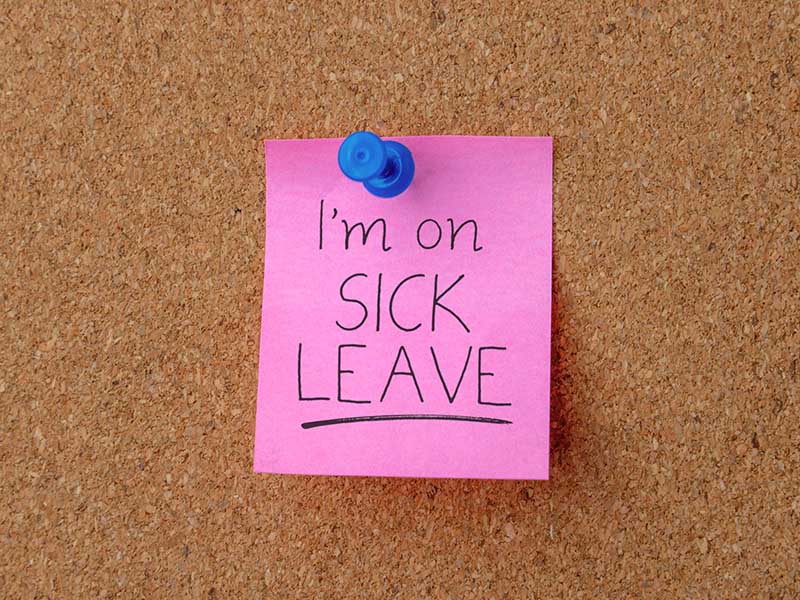
A Maryland Employer’s Guide to Sick Leave Policies
Employers in Maryland must work within the confines of both state and federal laws when implementing sick and safe leave policies for their employees. The Maryland Healthy Working Families Act imposes specific requirements that employers must comply with regarding the accrual and usage of leave. Employers need a sick leave policy that meets the statutory requirements and meets the needs of their operations.
An employer’s legal obligation to provide sick leave to its employees depends on the number of employees at the company. If there are 15 or more employees, the employer must provide paid sick and safe leave. If 14 or fewer employees, the employer must at least provide unpaid sick and safe leave.
Certain categories of workers may be excluded from the requirement of providing leave. An employer should consult with an attorney to assess whether leave, and what type of leave, must be provided to its workers or employees.
How is Sick and Safe Leave Earned?
Employers have two choices in determining how their covered employees earn sick and safe leave. An employer may opt to allow employees to earn leave incrementally over time based on hours worked at a rate of one hour of leave for every 30 hours worked. Alternatively, an employer may choose to front-load the full amount of annual leave, which is 40 hours, at the beginning of the year. Employers may choose to require that employees wait up to 106 calendar days after beginning employment before using accrued leave.
In Maryland, unused leave must be carried over from year to year. Employees may carry over up to 40 hours of unused leave. Employers are allowed to limit the amount of leave any one employee accrues to 64 hours at any time.
For What Purposes Can an Employee Take Sick and Safe Leave?
Employees may use sick and safe leave for the following reasons:
- The employee’s own illness, injury, or medical condition
- Preventive care, such as doctor’s appointments
- Caring for a family member with a medical condition
- Medical or physiological care
- Leave to address situations involving domestic violence, sexual assault, or stalking
This list is not exhaustive. Employers should ensure that their company policies reflect all permissible uses for sick and safe leave allowed by law.
Maryland employers must comply with recordkeeping requirements and consider other federal laws that may apply to their business. Whether you are a business in need of establishing an appropriate sick and safe leave policy for your business or an employee with concerns about your company’s implementation of its sick and safe leave policy, Lewicky, O’Connor, Hunt & Meiser stands ready to assist you.
None of the information provided in this article constitutes legal advice. Every situation is different and should be thoroughly reviewed by and discussed with your legal advisors. Please do not rely on the contents of this article as a basis for making decisions regarding your situation. Please call us to schedule a consultation at (410) 489-1996.

 by Elizabeth Bowery
A Consumer’s Right to Cancel Some Types of Contracts in Maryland
Maryland businesses that sell directly to consumers – particularly in homes or at temporary locations – need to be aware that certain transactions carry mandatory cancellation rights. It is important to follow these consumer protection requirements in written contracts and in company sales practices.
Federal Trade Commission Cooling-Off Rule
The Federal Trade Commission’s (FTC) Cooling-Off Rule applies to some consumer sales made outside of the seller’s regular place of business. The rule generally applies to consumer transactions of $25 or more that occur at a consumer’s home or a temporary location such as a hotel or convention booth. When the rule applies, the consumer has the right to cancel the transaction within three business days after signing the contract. To comply, a business must take specific steps to properly disclose the consumer’s right to cancel and incorporate that right into its contracts.
Maryland Cancellation Requirements
Maryland law provides additional consumer protections under the Maryland Consumer Protection Act and industry-specific statutes. Some industries are subject to heightened requirements, such as home improvement contracts and door-to-door sales. Other regulated industries include health club memberships, timeshare sales, and credit service organizations. Maryland laws and regulations governing these industries can impose detailed requirements for cancellation rights.
Common Compliance Issues
Businesses most often encounter problems when they use generic contract templates, fail to provide adequate notice, include cancellation provisions that are incomplete or inconsistent with the law, or overlook Maryland-specific requirements that operate alongside and in addition to federal rules. Failure to comply may render the contract unenforceable and may expose the business to regulatory enforcement. Federal and state regulators, including the FTC and the Maryland Attorney General, may investigate violations, impose penalties, and take legal action.
Consult a Business Lawyer
Consider consulting with a business attorney to ensure compliance with cancellation requirements. As business attorneys, we assist business owners at every stage of ownership, offering guidance in selecting the best entity, drafting customized governing documents, and providing ongoing business counsel.
