
 by David Hisle
Landlords Beware: Tenant Claims to Possession May Impact Ability to Evict
In Maryland landlord-tenant litigation, a dispute over who owns a rental property can raise issues that go beyond whether rent is owed, whether a tenant is holding over, or whether a tenant may be evicted. When a tenant or other person in possession raises a challenge regarding ownership of the property, the court may be required to determine whether the dispute over title is relevant to the pending possession proceeding before addressing the failure to pay rent or holding over claim.
How Equitable Title Can Complicate Eviction Proceedings
This question typically arises in situations that involve a tenant that has entered into a lease with the option to purchase the property, or a tenant that has entered a simple agreement to purchase the property. Many times, when a tenant enters such an agreement, the tenant thereby obtains “equitable title” to that property. Equitable title is not the same thing as legal title – which is still held by the landlord or current owner of the property. By the tenant obtaining equitable title to the property, however, the process for the landlord or owner to evict that tenant in failure to pay rent and holding-over actions becomes more challenging — because in many such cases the court must first determine the validity of the title claims before it addresses the other claims.
How Maryland Law Addresses Ownership Disputes in Possession Cases
The governing Maryland statute provides a procedural mechanism for addressing an ownership issue that is material to a pending property possession case, but this does not mean that every disagreement over ownership must be litigated before the court can resolve a landlord-tenant dispute. The statute requires that a claimant appear before the court and declare under oath that the claimant asserts title to the property. The claimant must also provide a bond. Significantly, the statute also provides that if the title claim is not commenced in the circuit court within ten days of the claimant’s first appearance in the District Court, the District Court must proceed to enter judgment for possession and costs and issue its warrant.
Before relying on this statute, it’s important to identify the legal basis of the underlying proceeding and determine whether the alleged title dispute falls within the statutory language. The court must determine whether title is relevant and is central to the procedure. If the statutory conditions are met, the court must forbear from entering judgment for possession.
The Importance of Maintaining Property Ownership Records
This statute highlights the importance of maintaining reliable documentation concerning ownership and the legal right to possession. Relevant records may include deeds, lease agreements, estate documents, and records of any transfer of ownership.

 by Samantha Chan
Security Deposit Rules Can Cost Maryland Landlords Three Times the Deposit Amount
When a residential tenancy ends in Maryland, many landlords focus on inspecting the property, obtaining repair estimates, and preparing the home for its next tenant. However, one of the most important post-move-out obligations is often overlooked: complying with Maryland’s strict security deposit law.
Under Md. Code, Real Property § 8-203, a landlord must provide the tenant with an itemized written list of any damages claimed against the security deposit, together with supporting documentation, within forty-five (45) days after the termination of the tenancy. Any remaining balance of the security deposit, plus any accrued interest required by law, must also be returned within that same timeframe.
Failing to comply can have serious consequences. If a court finds that a landlord withheld all or part of a security deposit without a reasonable basis, the landlord may be liable for up to three times the amount wrongfully withheld, together with reasonable attorneys’ fees.
Can a Landlord Use an Estimate?
Maryland law recognizes that repairs are not always completed within the 45-day period. If the cost of repairing tenant-caused damage cannot reasonably be determined before the reconciliation deadline, the landlord may include a good-faith estimate from a contractor as supporting documentation in the itemized statement.
However, the landlord’s obligations do not end there. Once the repair is completed, the landlord must provide the tenant with the final invoice for the work. If the actual cost is less than the estimate previously provided, the landlord must promptly refund the difference to the tenant as required by the statute.
Documentation Is Key
A well-prepared reconciliation should include:
- An itemized ledger of all deductions;
- Copies of invoices or contractor estimates;
- Photographs documenting damage, when appropriate;
- Any required security deposit interest calculation; and
- A refund of any remaining balance due to the tenant.
Taking the time to properly document the condition of the property and comply with the statutory deadlines can significantly reduce the risk of future disputes.
If you are a Maryland landlord dealing with a tenant move-out, security deposit dispute, or lease enforcement issue, I would be happy to assist. Contact me to discuss your situation and ensure your rights are protected while remaining compliant with Maryland law.
 by Samantha Chan
Howard County Enacts New 14-Day Eviction Notice Requirement for Residential Landlords
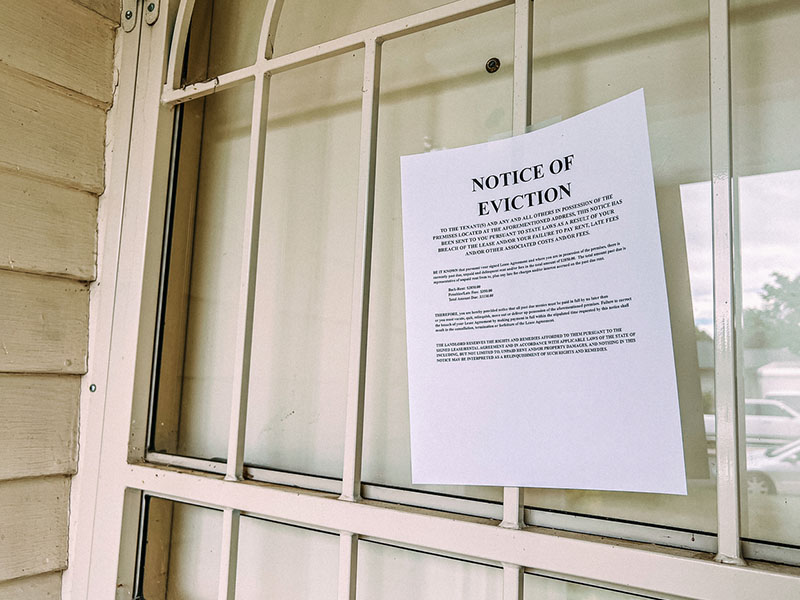
Under Maryland law, landlords are generally required to provide residential tenants at least six days’ notice before a sheriff executes a warrant of restitution (eviction). Maryland law also allows local jurisdictions to increase that notice period to as many as fourteen days.
Howard County Bill No. 12-2026, titled Landlord-Tenant Relations – Eviction Notice Requirement, creates new notice obligations that apply after a court issues a warrant of restitution in a residential eviction case in Howard County. The legislation expands the required notice period from six (6) days to fourteen (14) days within Howard County and imposes additional documentation and delivery requirements on landlords. The bill was approved by the County Executive on March 10, 2026
The County stated that the purpose of the law is to give tenants additional time to seek housing assistance, connect with homelessness prevention resources, obtain legal counsel, and make alternative living arrangements before eviction.
Practically speaking, the new law adds several compliance requirements for landlords. In addition to providing at least 14 days’ notice, landlords must now:
- Send notice by first-class mail with certificate of mailing;
- Post the notice on the property and retain a date-stamped photograph; and
- Send notice by email or text message if tenant contact information is available.
The law imposes civil penalties for landlords who fail to comply with the new notice requirements. Howard County landlords and property managers should review and update their eviction procedures to ensure compliance before pursuing residential repossessions.
If you are a landlord, property manager, or housing provider with questions about eviction compliance, lease enforcement, or residential landlord-tenant litigation in Maryland, contact LOHM for guidance tailored to your business and properties.
